For this semester, I’m going to keep this simple, sharing the assignments my students and I worked on each week and indicating my perceived level of difficulty (for me, not my students), and my level of enthusiasm. I say I’m revealing my “secrets” because I think I’ve figured out how to to navigate a semester of teaching First-Year Writing and not only help my students become better writers but also keep myself fresh enough throughout the semester to remain energized and even (usually after a break) look forward to the start of the next semester. Over the course of the summer, I compiled, clarified, and added details to my assignment sequence and shared this with all the other composition instructors at my school, hoping they would use much of it (though making changes with their chosen course theme and readings) with their classes, so both them and their students would have positive experiences. Now I’m going to share it all with you….
I’m teaching 3 sections of composition class this semester and we meet twice a week (T & R). Here’s what we did Week 1:
Day 1: Introduction to ENG 104, Day 1 Powerpoint, Introductory Letter
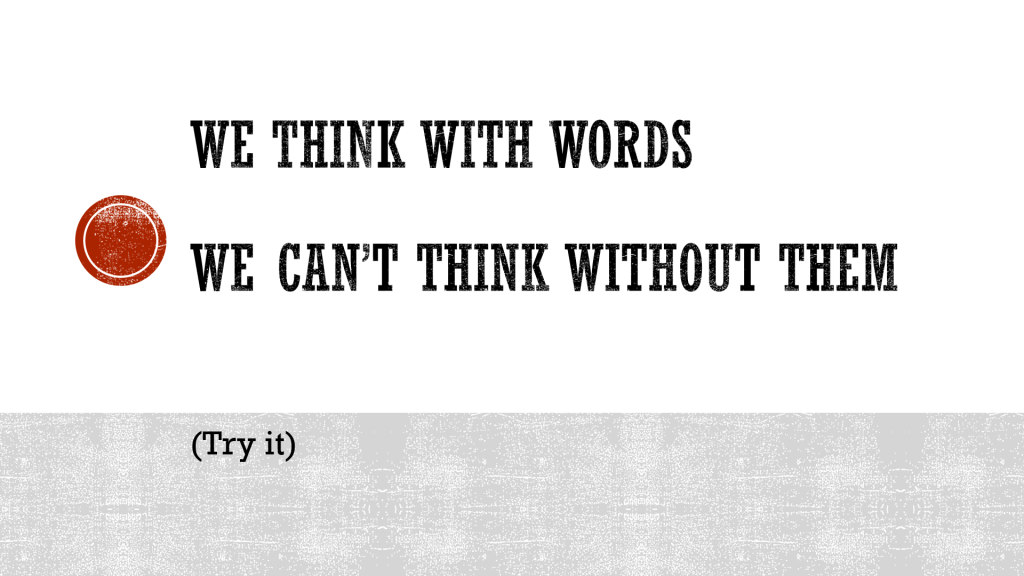
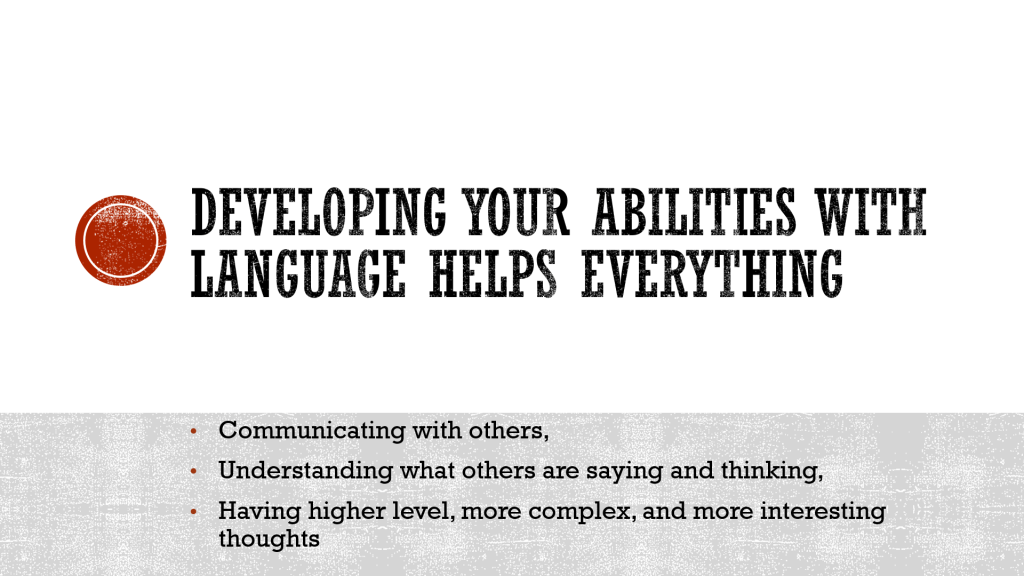


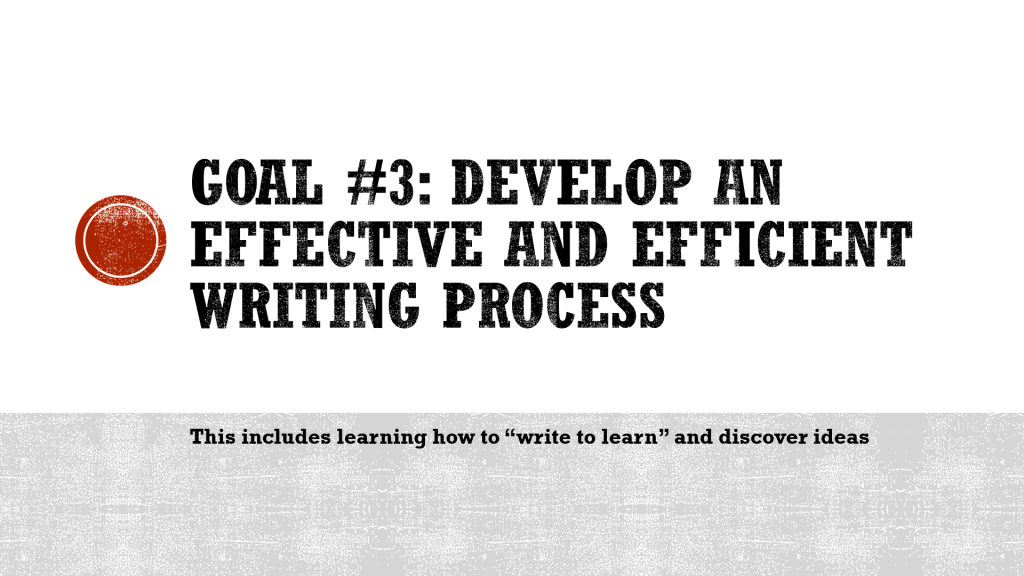

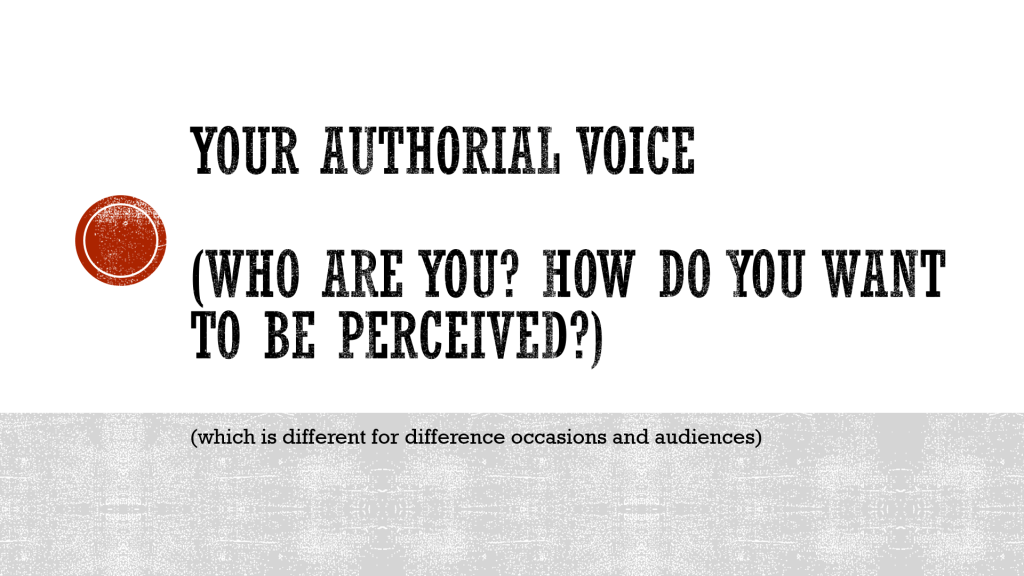

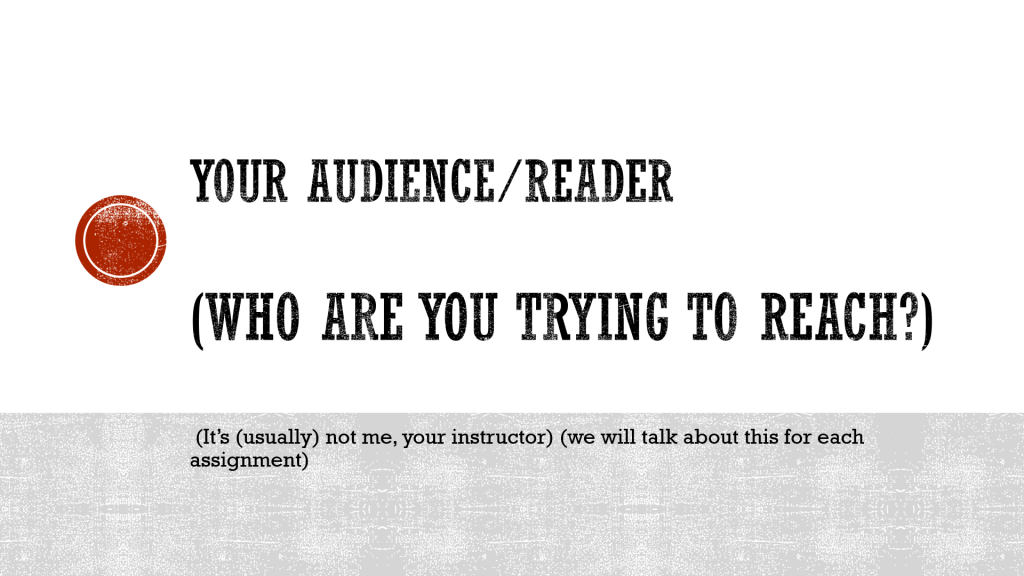
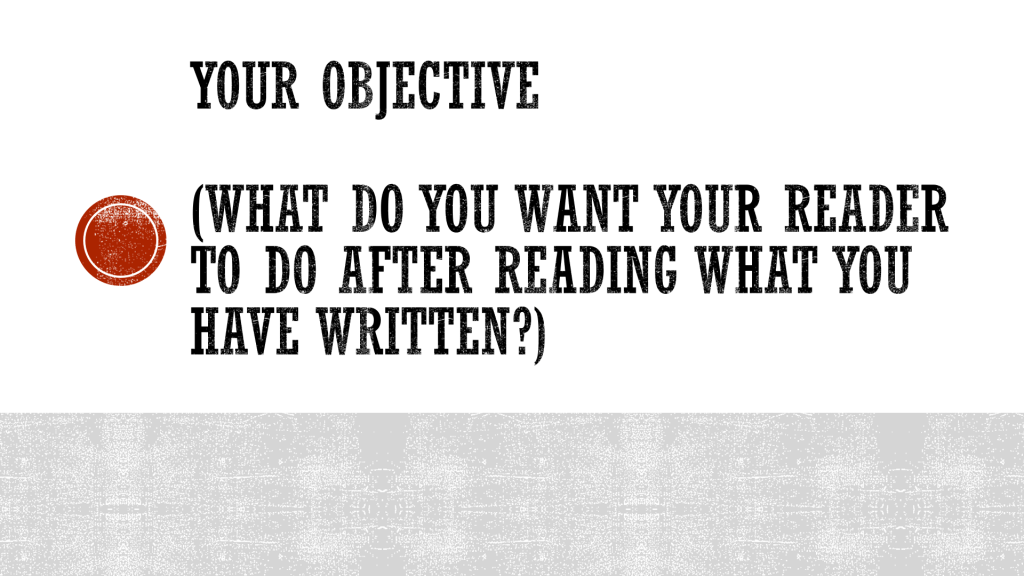
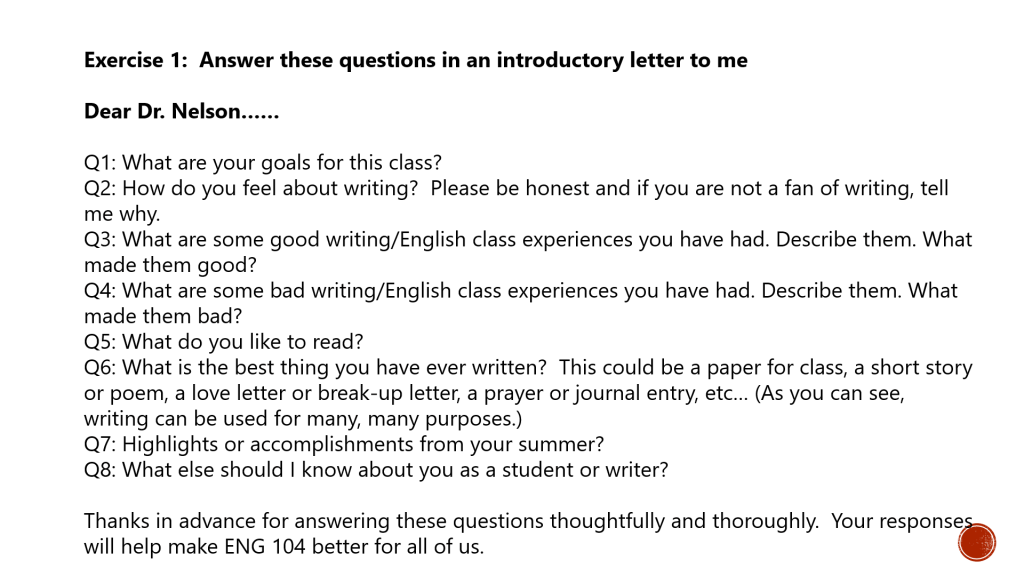
The PowerPoint is intended to help motivate students, or (I tell them) at least better understand why I’m going to teach the class they way I am. I’ve found the letter-writing exercise (the last slide on the PowerPoint) to be a great way to start the semester. It helps establish the 1-on-1 relationships I hope to have with the students and lets them voice their initial thoughts and feelings about the class in an informal way. I think writing this letter helps them feel more comfortable if they establish (as many do) that they are not particularly excited about a writing class. They often reveal bad writing/classroom experiences they have had, which can help me understand why they may be reluctant to engage with a writing class. It also helps me get a sense of their writing abilities and a little bit about their personalities (moreso than any sort of oral ice-breaker activity) (and it’s a writing class, so better to write to introduce themselves). As you read these, highlight passages that are humorous, reveal enthusiasm or resistance, and anything else you think the class would benefit from hearing (I share these highlighted passages at the start of the next class session).
Day 2: In-class exercise: What is Good Writing?
After I read aloud some of the highlights from their letters to me (anonymously), I tell them a number of students stated a goal was to improve their writing, which leads me into the day’s exercise, being more specific about what that means (to become a better writer and produce “good writing”). To start, I write this question on the board and give students 7-8 minutes to write down their answers. Next, I’ll ask students to share some of those responses and write them on the board (sometimes clarifying them as I do) (and also asking them to briefly explain why they have provided the answer they have). Then, I’ll break them into groups (ideally 3 students per group) and tell them to share the rest of the answers with each other and take those, along with what I’ve written on the board, into consideration to come up with a definitive, all-encompassing definition of “good writing” that can apply to any type of writing.
To help them, I provide a couple examples of definitions:
mammal: a warm-blooded vertebrate animal of a class that is distinguished by the possession of hair or fur, the secretion of milk by females for the nourishment of the young, and (typically) the birth of live young.
language: the principal method of human communication, consisting of words used in a structured and conventional way and conveyed by speech, writing, or gesture.
I don’t point out that they are mammals using language, but I hope some students will appreciate this choice of examples.
I let the groups work a while on their own, then go around the room and check their definitions, making suggestions as needed. No group will come up with the perfect definition and that’s okay. Once they have a definition they are satisfied with, I either have one member of the group write it on the board or have one student email it to me and use the projector to share them with the class.
Once all definitions are available for viewing, one group member will read it aloud and then I respond to them (or sometimes students ask questions) and we discuss the strengths and flaws of the definitions.
At the end of the session, I collect all the definitions (paper copies or email) and tell students I will work on combining the best of all the definitions to come up with a strong definition of “good writing” we can all agree on and use for the rest of the semester and that I’ll bring it to the next class session.
Really, I’ve already got a definition in mind, which looks like this:
Good writing is on a topic and in a style appropriate for the intended audience, is engaging and interesting, employs language well, is concise, stays focused, develops ideas, is free of distracting errors, and achieves its purpose by leaving the reader with knowledge of or insight into the content, whether it is informational, explanatory, argumentative, or persuasive.
I’ve found this is a good way to get students working in groups, with a specific task (and this can completed in 50-minutes if you keep things moving and read the letter excerpts on a different day). I like this exercise because I learn more about what my students value, or what they’ve been taught to value, in writing (and it lets me know what I have to teach and maybe unteach them). I also get to model the thinking/writing/revision process I want students to engage in all semester. And this also helps show them (as other early-semester assignments do) that this is “their” class, not just mine. Specifically, this exercise lets them feel like they have come up with a definition of good writing (which they are, with my help) and later in the semester, and we can both refer back to this for every assignment to help determine if they are producing “good writing.”
So that’s Week 1:
Effort Level: 3/10: They are active but there’s not much work for me 🙂
Enthusiasm Level: 8/10: Of course, I’m excited to get the semester started, but really I’m transitioning from summer and I don’t know my students yet so I’m spending time with strangers, which is not my favorite thing to do. Of course, soon I’m getting to know them and when I do, it will make teaching the class easier and more satisfying.
If you to read more about my teaching, check out my other blog posts or my new book Teaching The Way: Using the Principles of The Art of War to Teach Composition: https://amzn.to/3mwbz3y
Thanks for reading!

